Sept. 26, 2025 | The University of Arkansas for Medical Sciences (UAMS) Northwest Regional Campus hosted its second annual Neurodiversity Conference on Sept. 18 at the Schmieding Center for Senior Health and Education in Springdale, drawing health care professionals, students, families, advocates and community members.
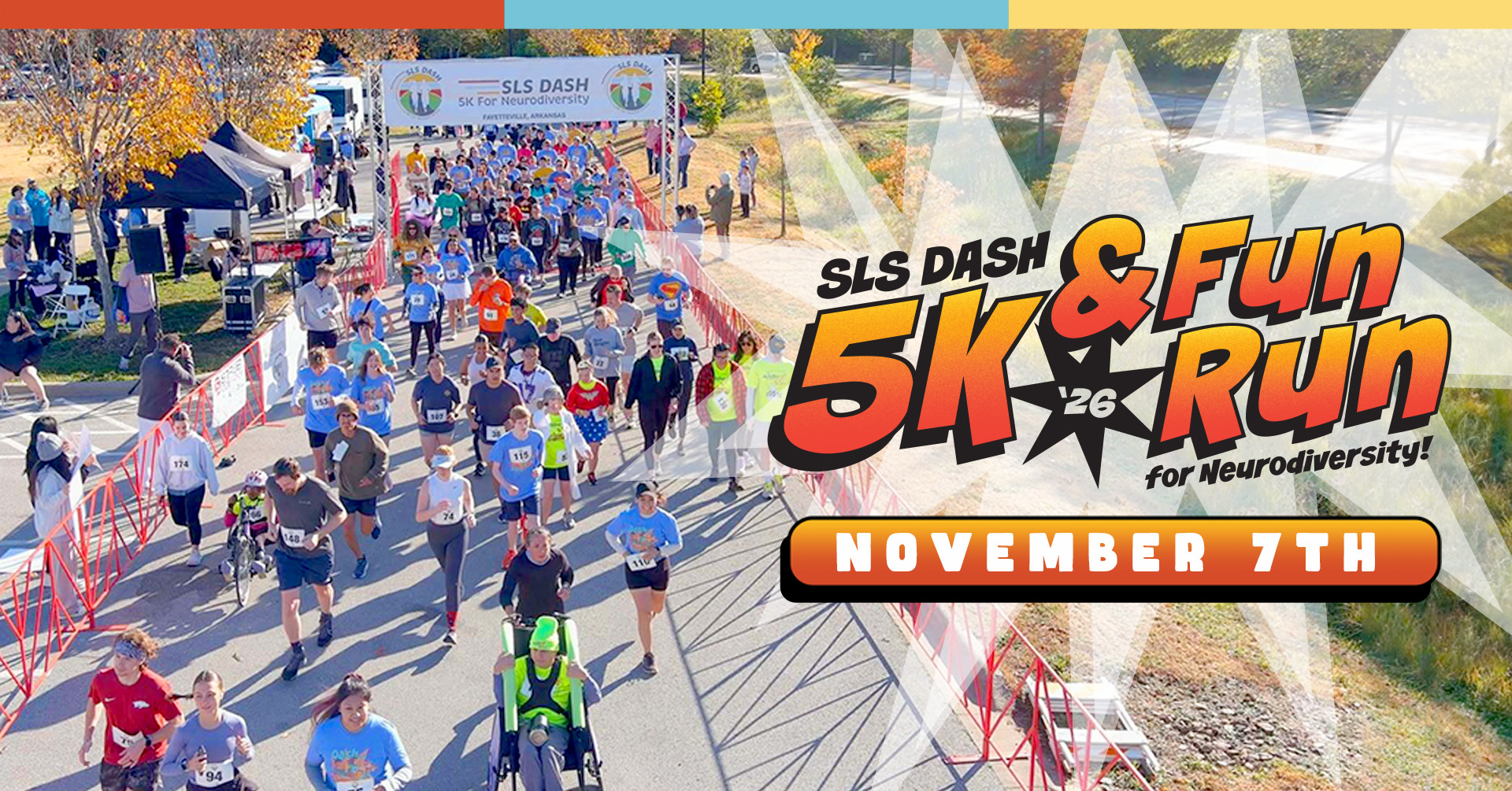
This year’s theme, “Equipped to Care: A Toolkit for Neuro-Inclusive Practice,” guided a full day of sessions designed to strengthen providers’ skills and deepen understanding of the neurodivergent experience. The program was presented in partnership with SLS Community, a Fayetteville-based nonprofit dedicated to building a holistic “live, work, play” community for neurodivergent adults.
From the opening keynote on understanding neurodiversity in health care, to sessions on trauma-informed practice, animal-assisted therapy and cultural competence, the day offered something for everyone. Attendees also heard directly from neurodivergent individuals and family advocates in a powerful closing panel.
“This year’s conference focused on developing a ‘toolkit’ of best practices for providing a high standard of person-centered care for neurodivergent patients,” said Tina Maddox, Ph.D., associate provost for the UAMS Northwest Regional Campus. “The goal was to deepen understanding and build skills for supporting neurodivergent individuals across health care settings.”
The conference opened with a keynote from James Hunt, M.D., a board-certified anesthesiologist and pediatric anesthesiologist, who defined neurodiversity and explored common misconceptions, communication differences, and the value of a strength-based perspective.
“Too often our neurodivergent loved ones are seen through the lens of a diagnosis or a chart note,” Hunt said. “What we have to remember is that they are more than their medical history. They bring strengths, persistence and creativity that enrich our communities. Our job as health care providers is to build the bridges that help them thrive.
“The medical model alone isn’t enough, and the social model alone isn’t enough. True neuro-inclusive care means bringing them together — addressing individual health needs while also removing the barriers that keep people out of our clinics and communities. We don’t just need to fix legs; we need to build ramps.”
Aunna Herbst, D.O., a family medicine doctor and chief medical officer at SALT Health in Bentonville, followed with practical strategies for neuro-inclusive health care, emphasizing trauma-informed care and environmental adaptations that reduce patient distress.
“Little changes cost almost nothing, but they mean everything,” Herbst said. “Whether it’s turning off harsh lights, offering a weighted blanket or simply giving patients more time to process — these are small adjustments that create safety and dignity in care.
“We need to move away from seeing neurodiversity through a deficit lens and start embracing it as a difference,” she added. “Small shifts in how we think and how we design care — like creating calmer spaces or adapting communication — can make an enormous difference in outcomes.”
Midday, an interdisciplinary panel led by Mary Ann McIntyre highlighted cultural competence, intersectionality and family-centered approaches to care.
The afternoon featured Michele Kilmer, DNP, APRN, of the University of Arkansas Eleanor Mann School of Nursing, who presented research on animal-assisted therapy with her therapy dog, Gryffin, demonstrating how canine involvement can enhance prosocial behaviors and emotional regulation in children with autism.
“When a child hugs Gryffin instead of shutting down, you see the power of animal-assisted therapy,” Kilmer said. “A therapy dog can lower stress, build trust and turn overwhelming moments into opportunities for growth. Small interventions with Gryffin — grounding, blocking, even just offering comfort — translate into big outcomes. Children regulate faster, families feel more supported, and therapy becomes something kids actually want to come back to. The goal is simple: to give kids tools for resilience, and sometimes those tools have four paws.”
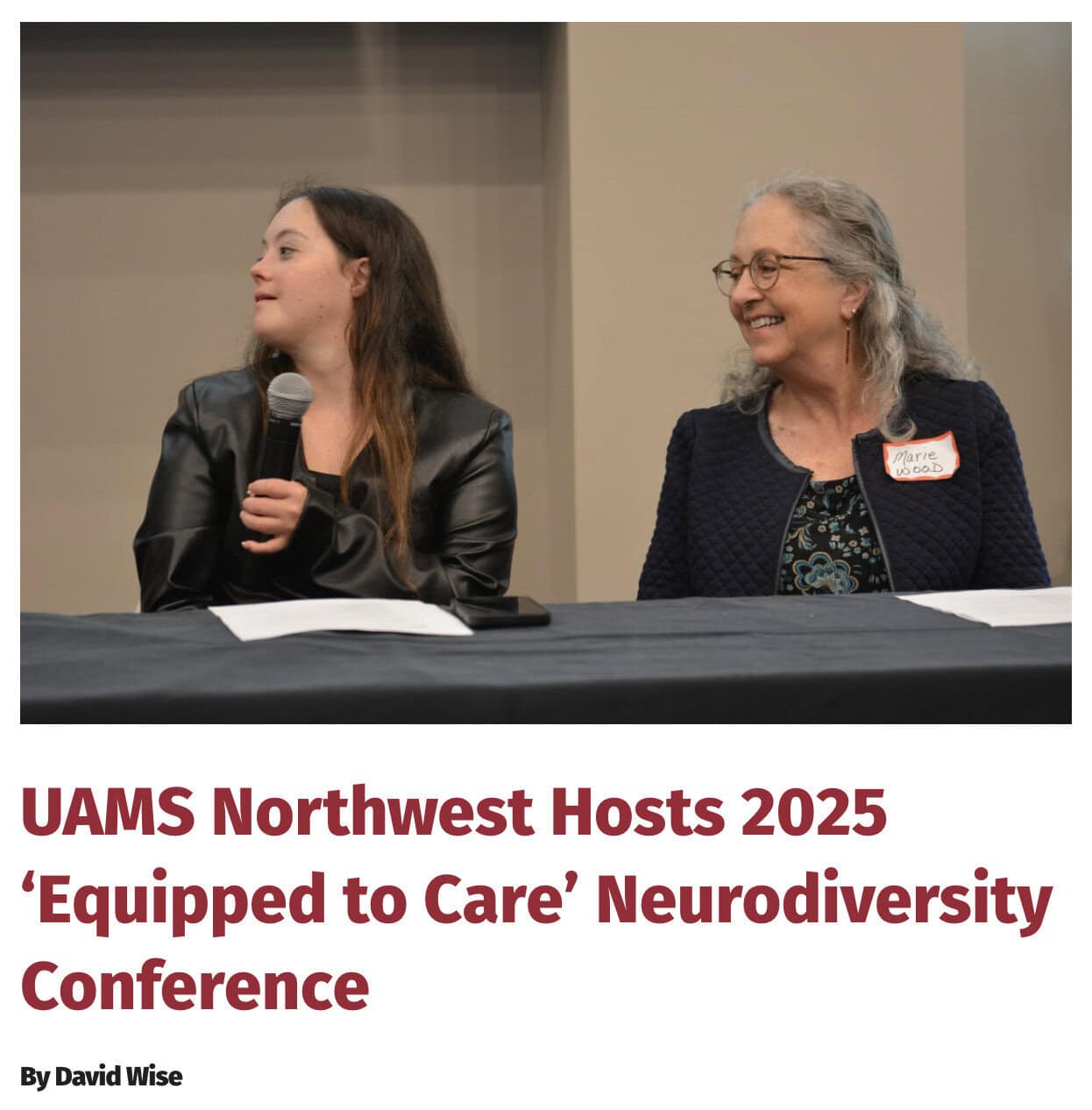
The day concluded with a moving panel of neurodiverse individuals and family advocates moderated by Ashton McCombs IV, executive director of SLS Community. Panelists, including Lauren and Susan Tonymon, Betts McCombs, Mary Borman and Marie Wood, shared candid experiences navigating health care systems, offering both cautionary tales and practical advice for improving patient-provider communication.
“The goal is to spark conversations between providers, patients and advocates that ripple outward, helping make Northwest Arkansas a model for inclusive health care,” McCombs said.
Attendees were eligible for up to 5.5 hours of continuing education credit across multiple disciplines. Both in-person and virtual formats ensured broad access to this free event, supported in part by a UAMS Chancellor’s Circle Grant.
Read the original article here: